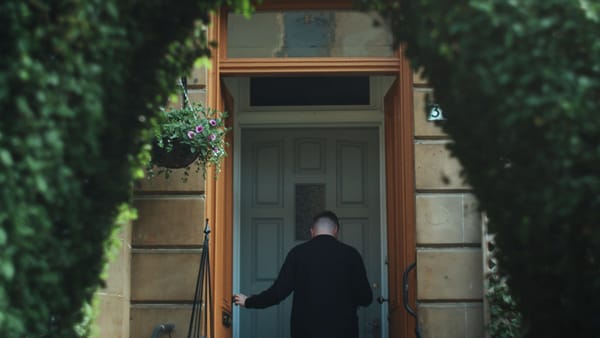
Inside Richard Murphy’s Unusual Home in Edinburgh
This New Town house has nine levels, a bath hidden behind stone panels, a garden modelled on Venice and Japan, and shutters that close like an igloo in winter. The owner built it to last — and to keep changing.


Richard Murphy has spent 45 years practising architecture in a city that, by his own admission, doesn’t particularly like architects.
Edinburgh’s New Town is one of the most protected urban environments in the world — a Georgian set piece that has resisted change for two centuries. Murphy’s response was not to retreat into pastiche, but to build something that continues the history rather than freezing it.
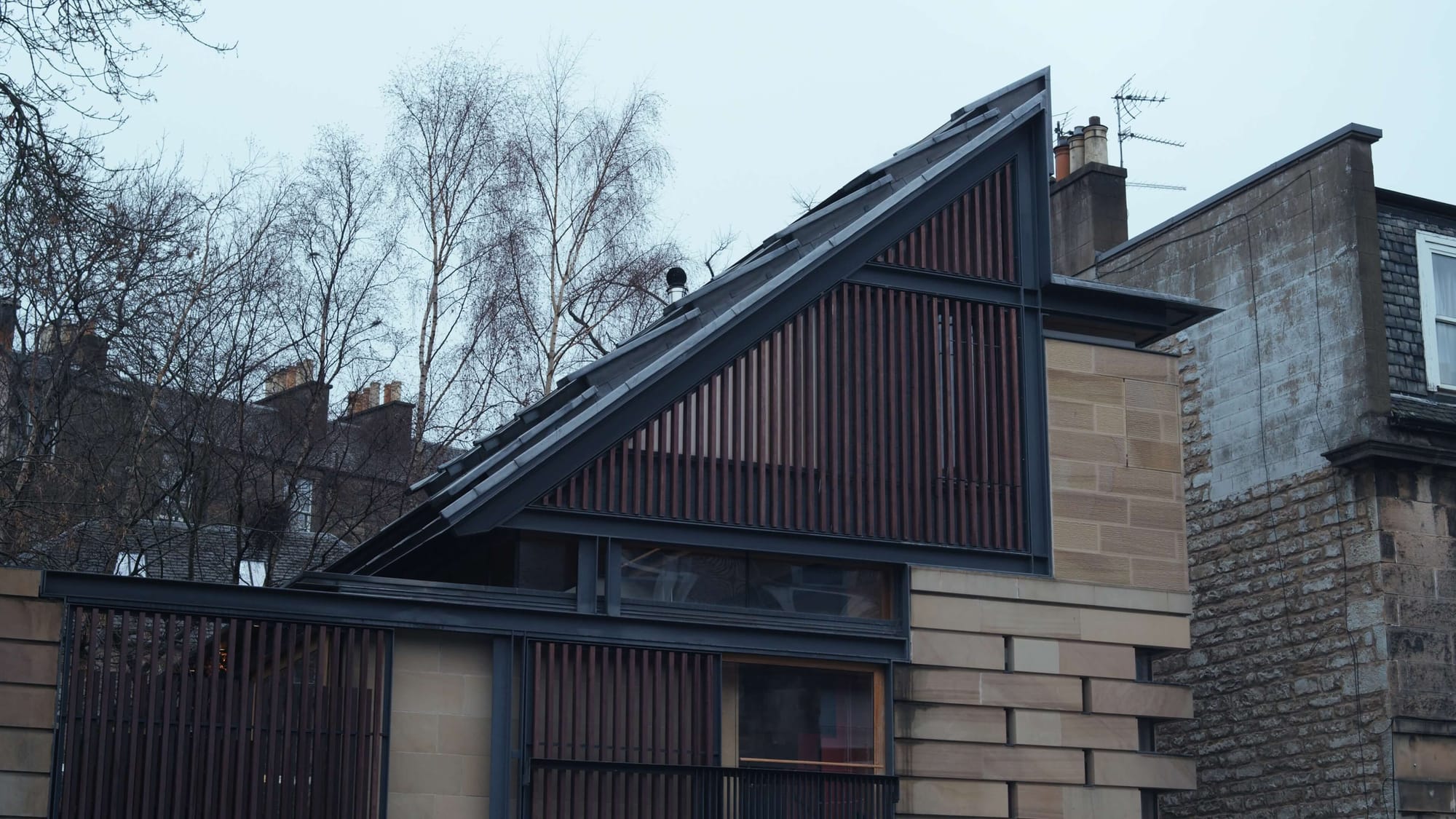
The house on Hart Street took ten years from site to front door. It has nine levels, a ground-source heat pump, a Venetian garden, and shutters that transform the interior from summer to winter.
It is, as his friend Glenn Murcutt once observed, a Rubik’s Cube. Move one thing, and everything shifts.
Join the private circle behind NOSTALGIA® films — behind-the-scenes notes, priority input on future projects, and a physical Founding Curator card posted to you. Once 333 seats are taken, this tier closes forever.
In Their Own Words: Richard Murphy on Making a Rubik’s Cube of a Home
My name is Richard Murphy. I’m an architect.
I’ve been living in this house for about ten and a half years now. It’s on the eastern end of the New Town of Edinburgh, just behind Broughton Street.
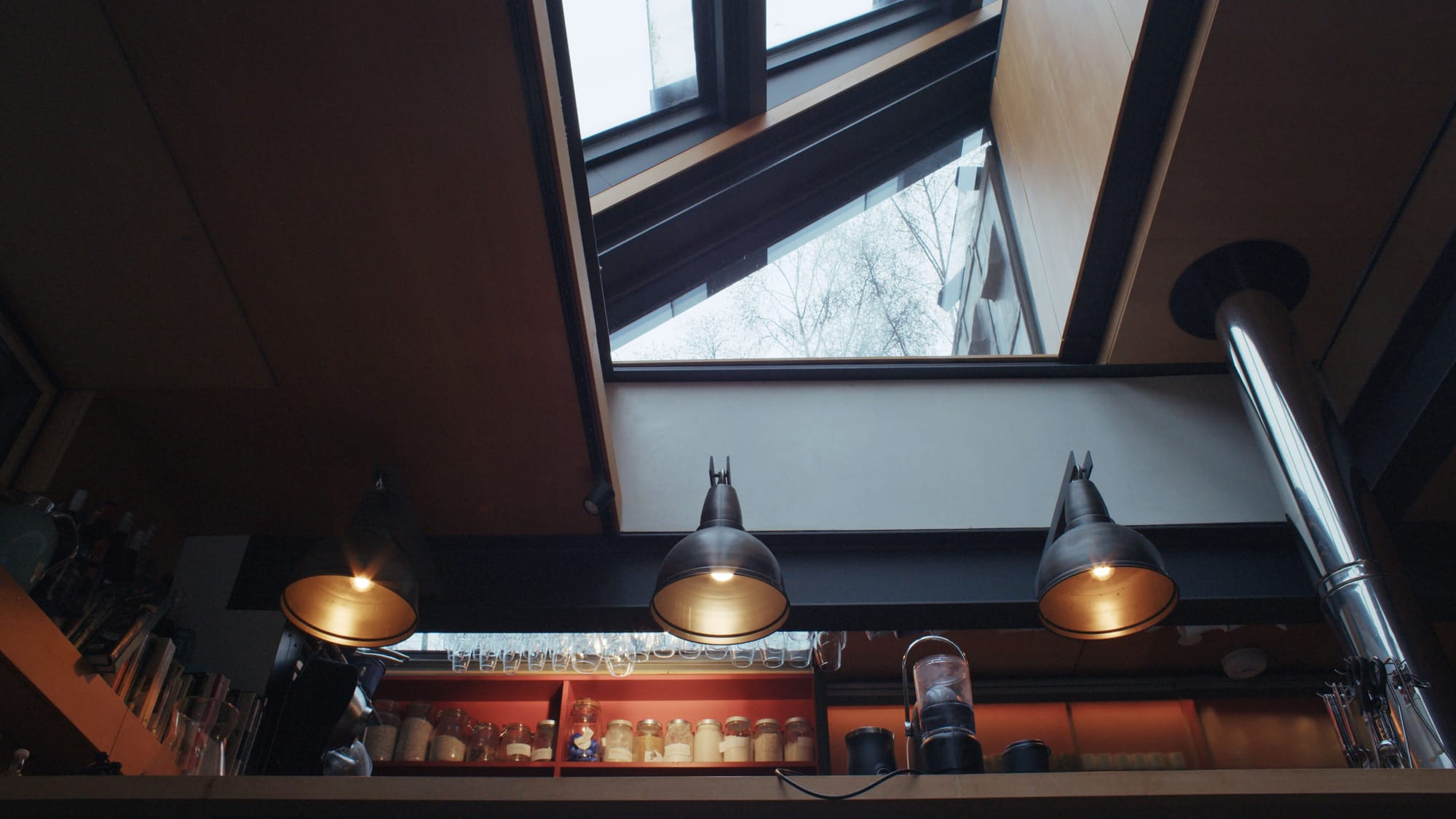
When my old friend came to stay here, he described the house as a Rubik’s Cube, which felt about right. His name is Glenn Murcutt, he’s an Australian architect — he came to stay when he received the Royal Scottish Academy Discourse and the Gold Medal, and I’ve always admired his detailing. I think he enjoyed his time here. He did surprise me at one point by saying that he thought my house was far more detailed than his — which was quite amusing to hear.
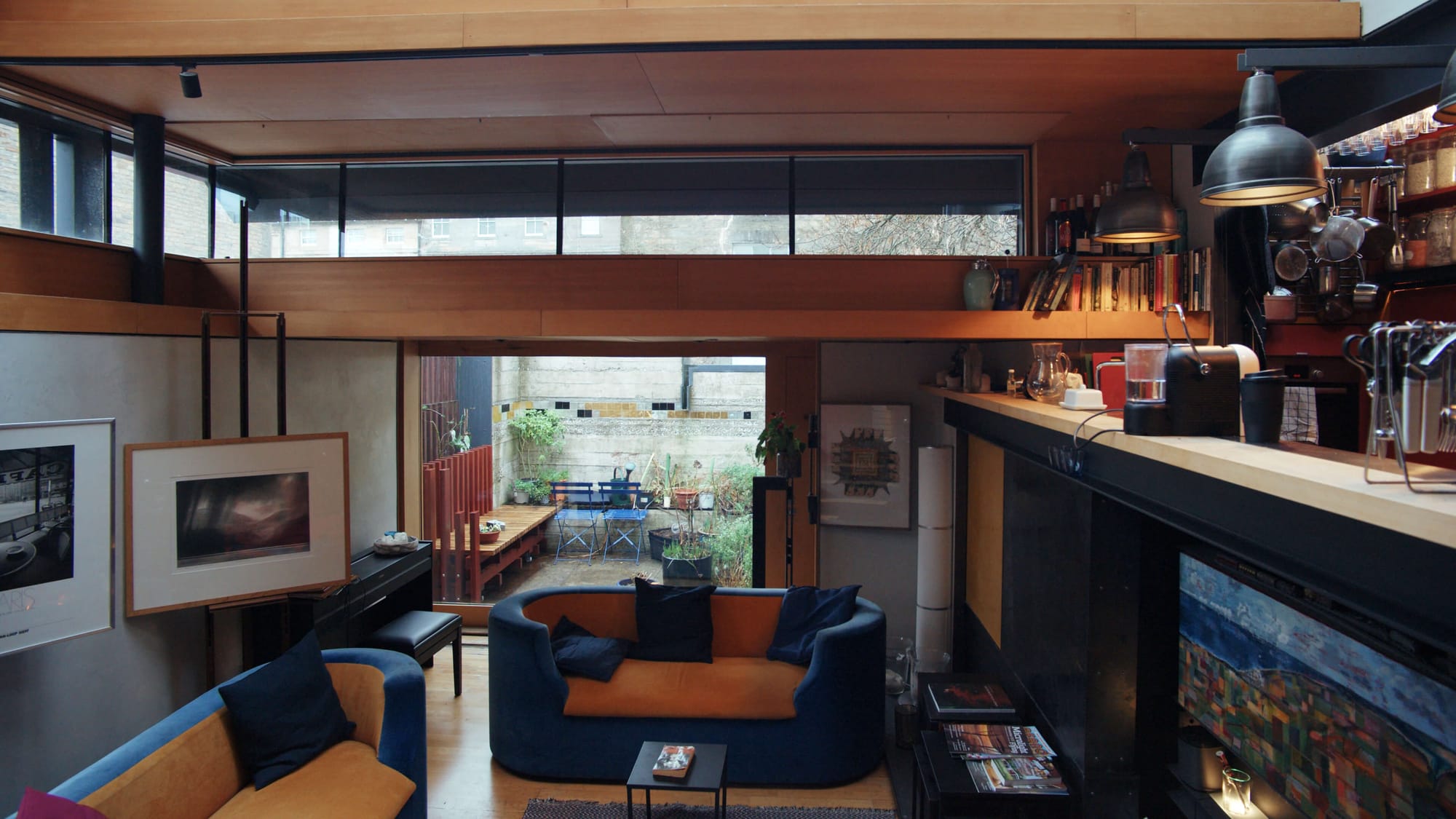
If you move one element, it starts having a knock-on effect all the way around. The whole house is a kind of three-dimensional puzzle, where everything is squeezed into a very tight space in terms of the plan and the section.
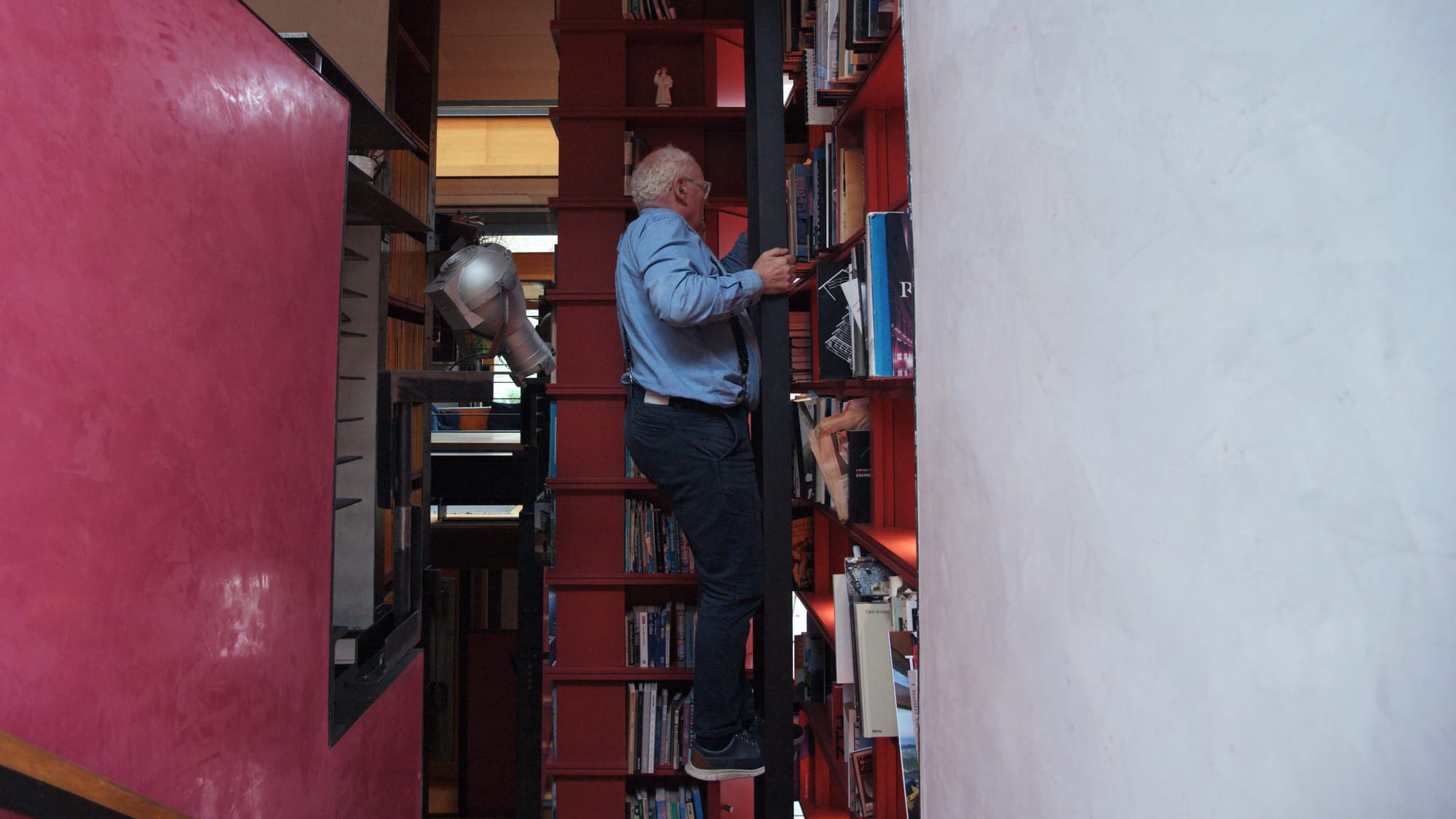
I found the site almost by accident. A friend of mine had a friend in his yoga class who was selling the basement flat on Forth Street with a long garden, and he chopped the garden into two and planned to build a yoga hut on this site.
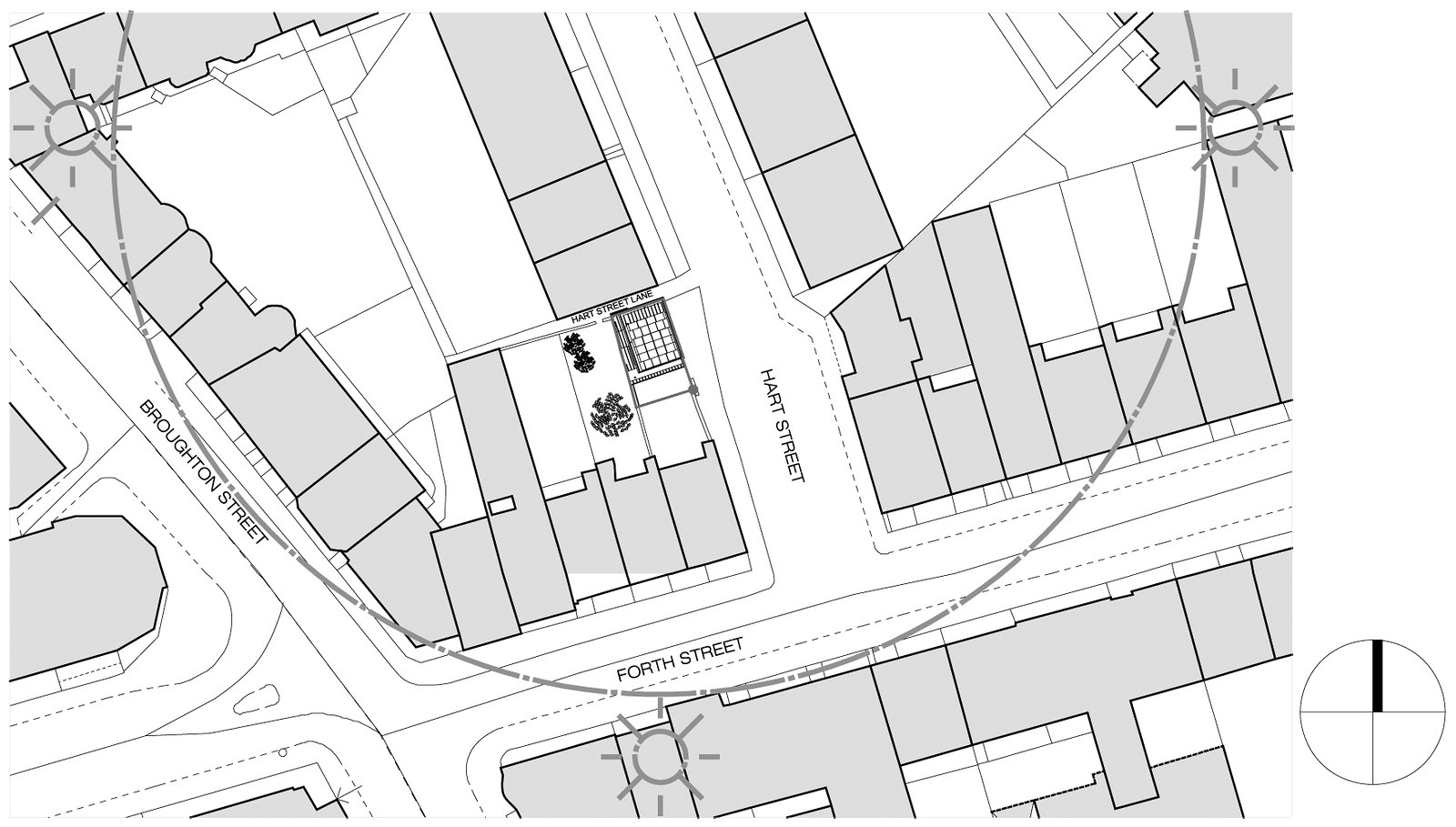
I was asked a rather strange question: do you need planning permission for a yoga hut? I didn’t know what a yoga hut was. But I came to look at the site, and I already had an ambition in the back of my mind to build a house for myself. I was aware there was already a modern house on the other side of the road. So I thought,
this is interesting.
I wrote to this man, who was a complete stranger. I said that instead of building a yoga hut, I thought I might get planning permission for a new house, and would he be interested in selling me the site. And that’s how it happened.
The question of how you place contemporary architecture into a historic context has always fascinated me. I’ve written books about Carlo Scarpa, and many architects see him as a father figure in how to do that.
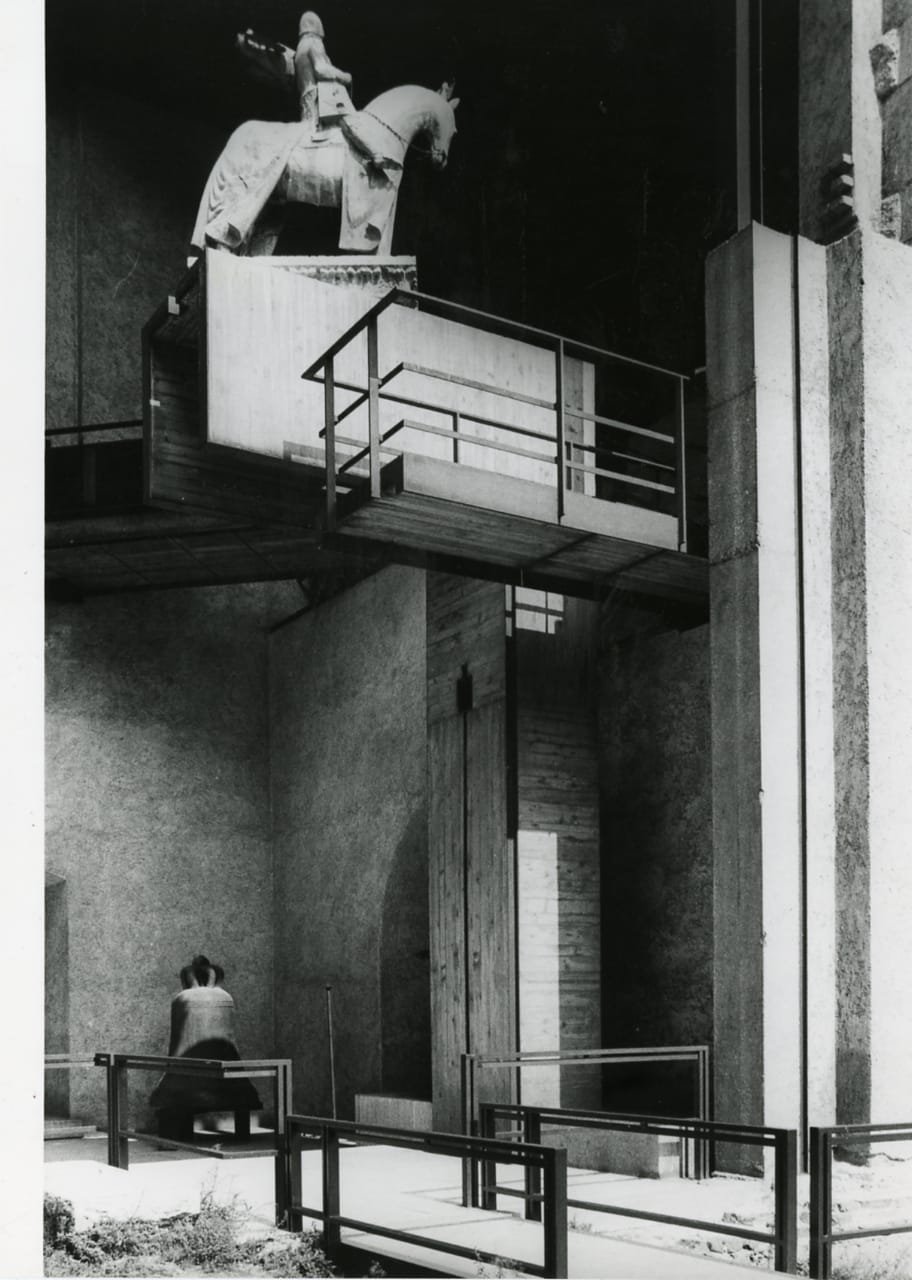
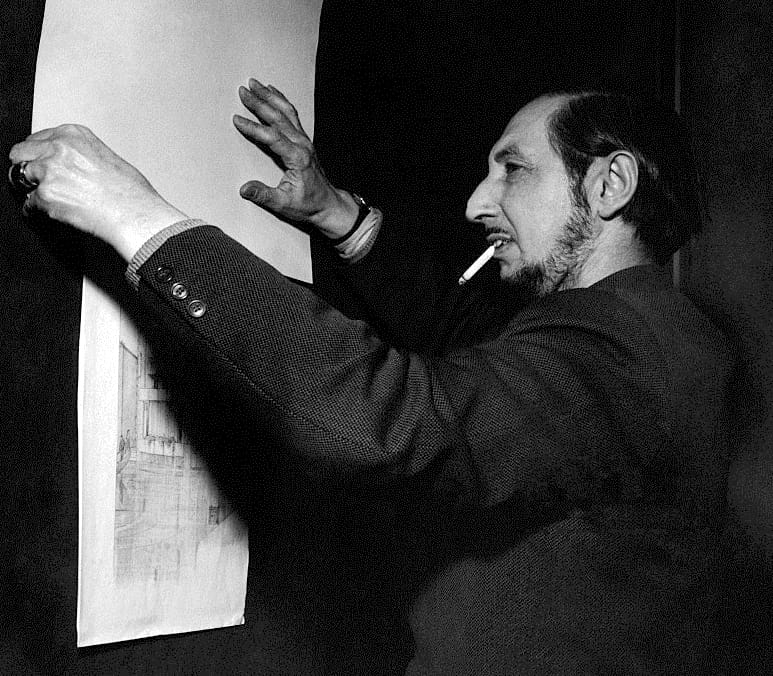
Carlo Scarpa was an Italian architect and designer. He took a lot from Venice and Japan — from the way materials age to how spaces hold memory. His work blends craft, detail, and a deep respect for history, whether in buildings, glass, or furniture. Photos by Paolo Monti & Mario De Biasi
Some people would argue you can’t put anything contemporary in the New Town of Edinburgh. They think it’s a complete set piece (which, of course, it isn’t). It’s a whole series of different things that happened that created the New Town.
History is something that continues. It’s not something in aspic.
If you’re going to build something, you shouldn’t make fake architecture. You should make architecture that tells you about the era it’s in.
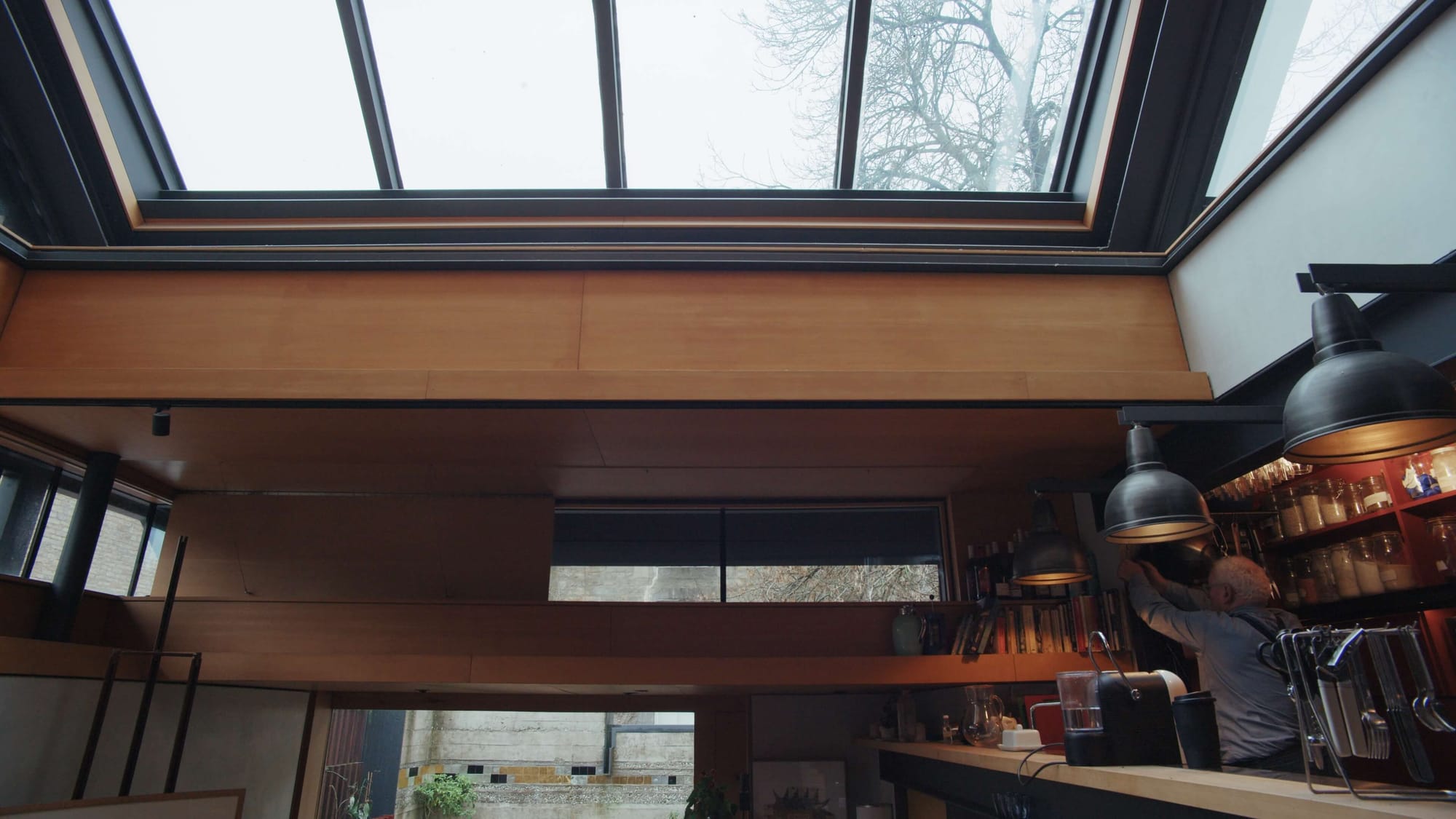
This part of the New Town was never properly resolved. Two estates met here, and they didn’t resolve how to plan between them. And then on top of that, it grew in the 1960s.
You ended up with a very strange, unplanned bit of the New Town. There was a row of tenements with a gable end exposed that should never have been exposed in the first place.
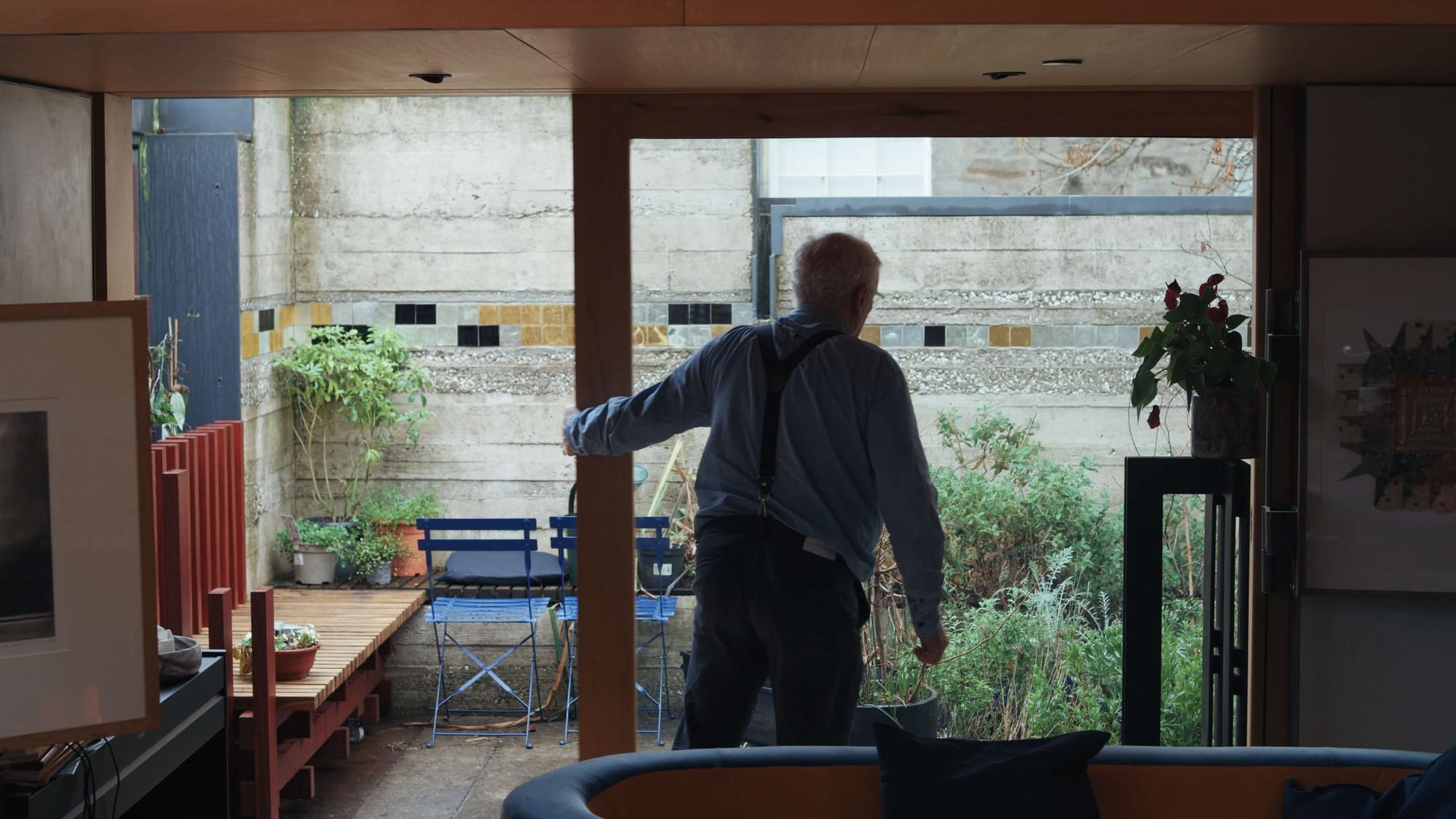
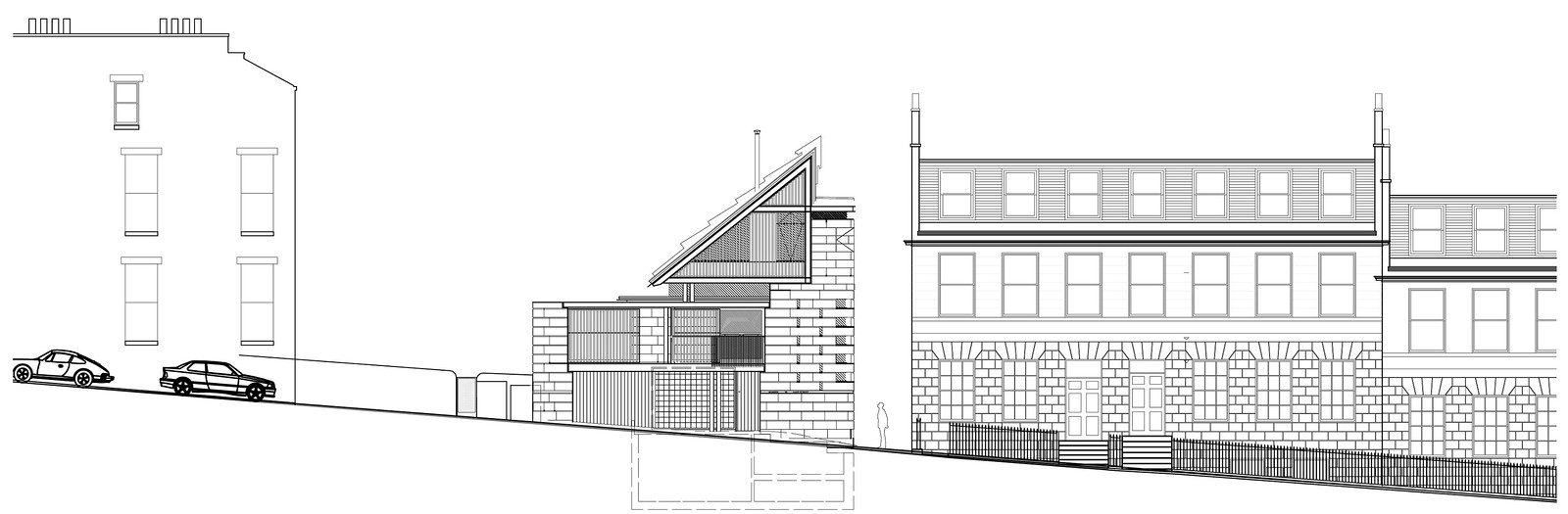
My plan was to resolve that problem. I wanted to build a bookend to that row of tenements and, if you like, conclude that history over 200 years.
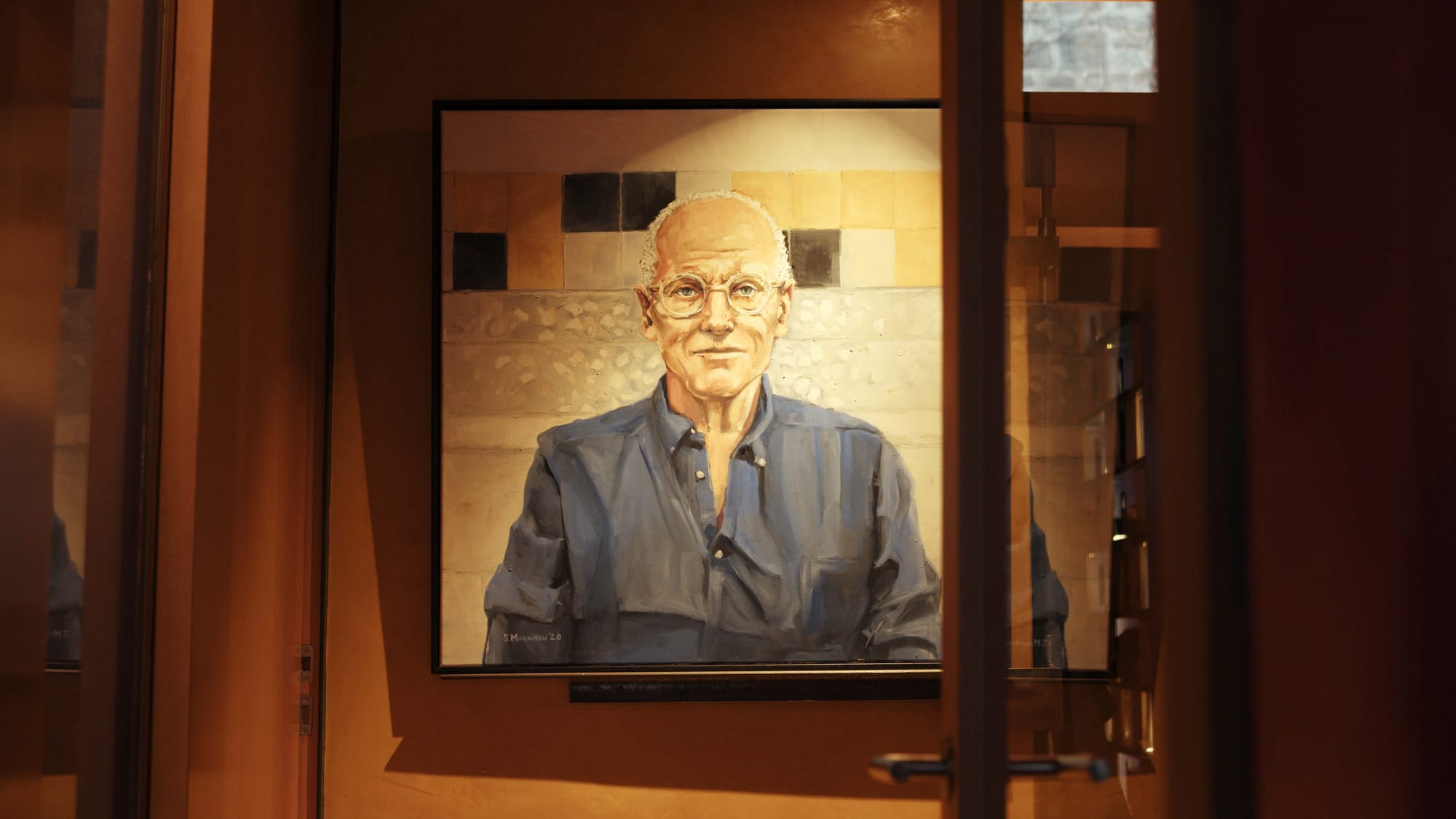
The whole project took about ten years from finding the site to moving in. Five of those years were spent just sitting looking at the site after I’d got planning permission, because the recession happened in 2008 and I couldn’t afford to build the house.
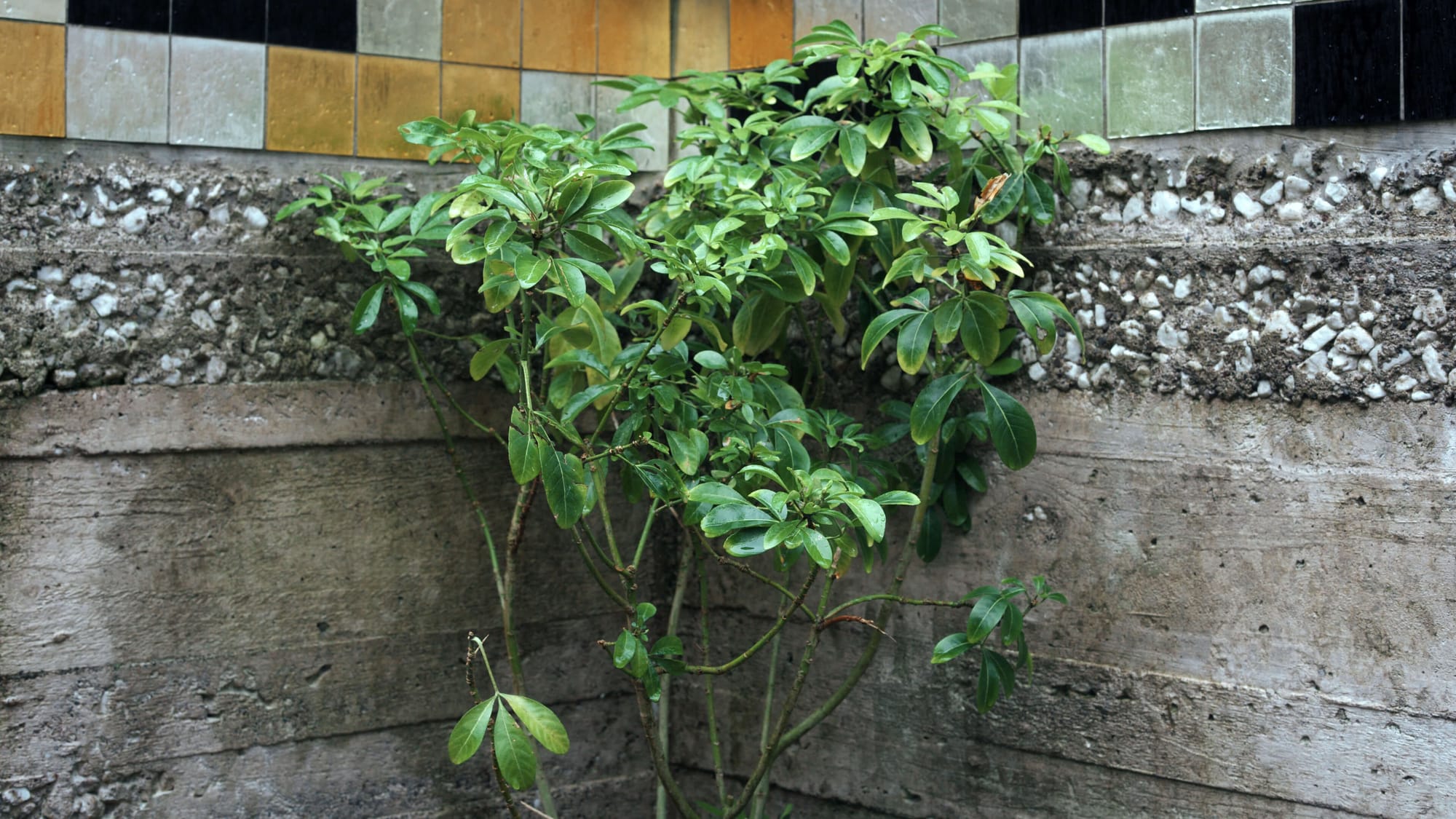
At the time, those five years were frustrating. In retrospect, they were useful because I was refining the drawings and coming up with detailed ideas I probably wouldn’t have done had I just gone straight ahead.
In Edinburgh, there’s an inbuilt conservatism and a natural suspicion of anything new. I have quite a lot of sympathy with that, to be honest.
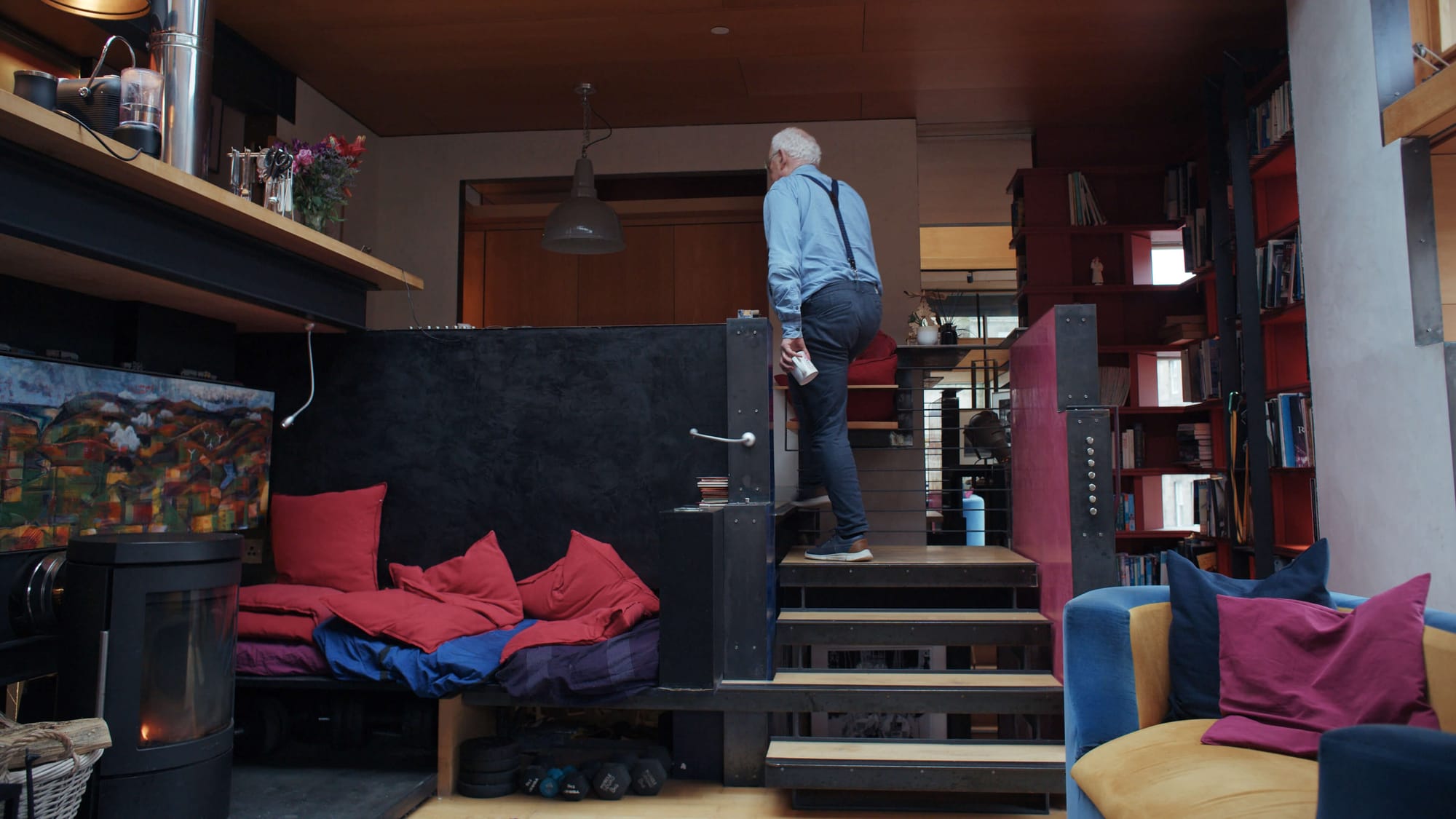
There was a lot of hostility to the house at the start. But I’ve never encountered any hostility since I’ve moved in. In fact, I think most people now accept it.
If anything’s new, it’s met with a degree of scepticism. Then once it’s been around for a few years, it becomes part of the furniture.
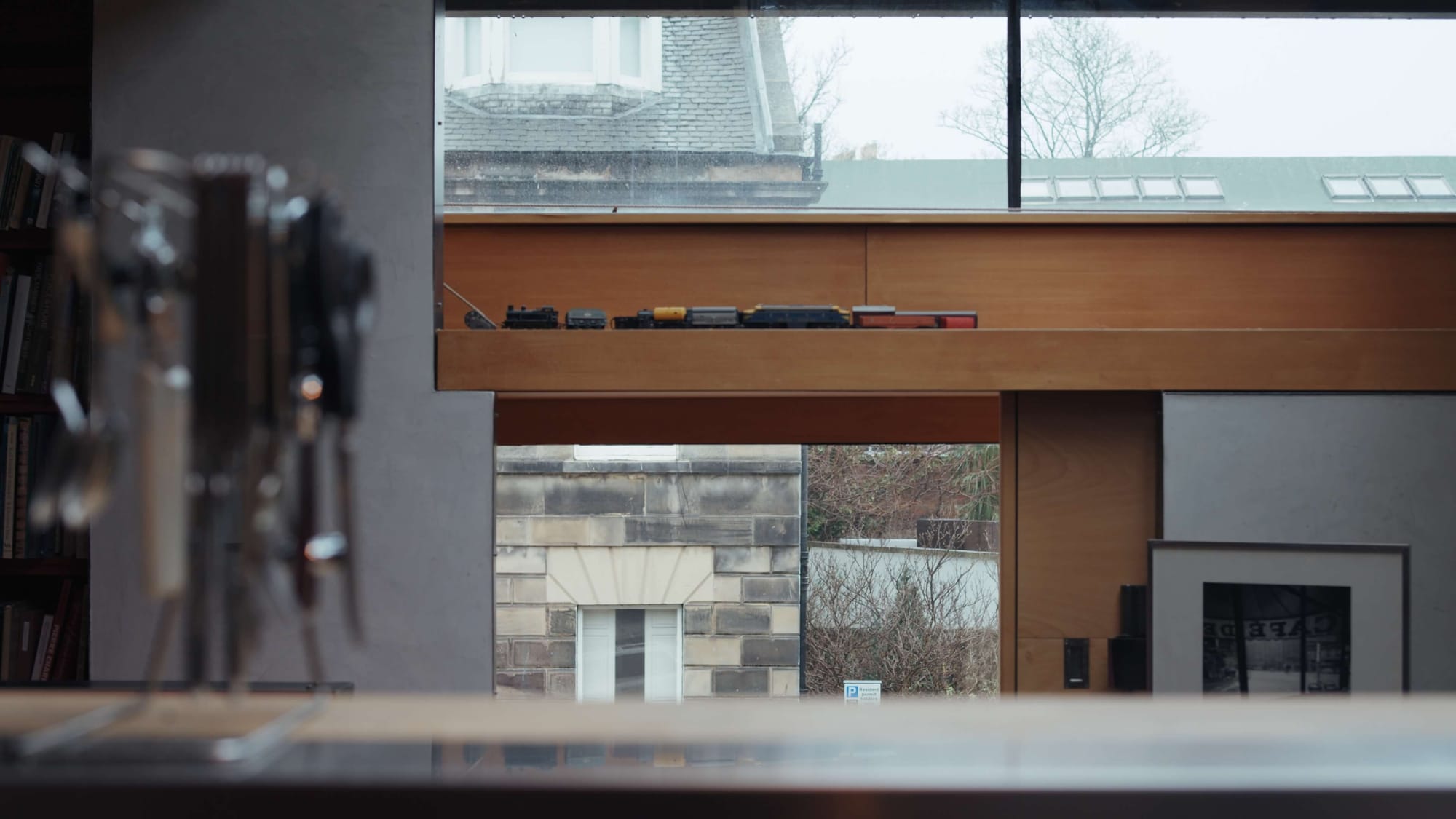
Now people are prepared to queue to see it. We had 600 people through the house for Doors Open Day, and the same the previous year.
The whole plot is quite small, only 11 by 6 metres. If you chop off the garage and the roof terrace, it comes down to 8 by 6 metres.
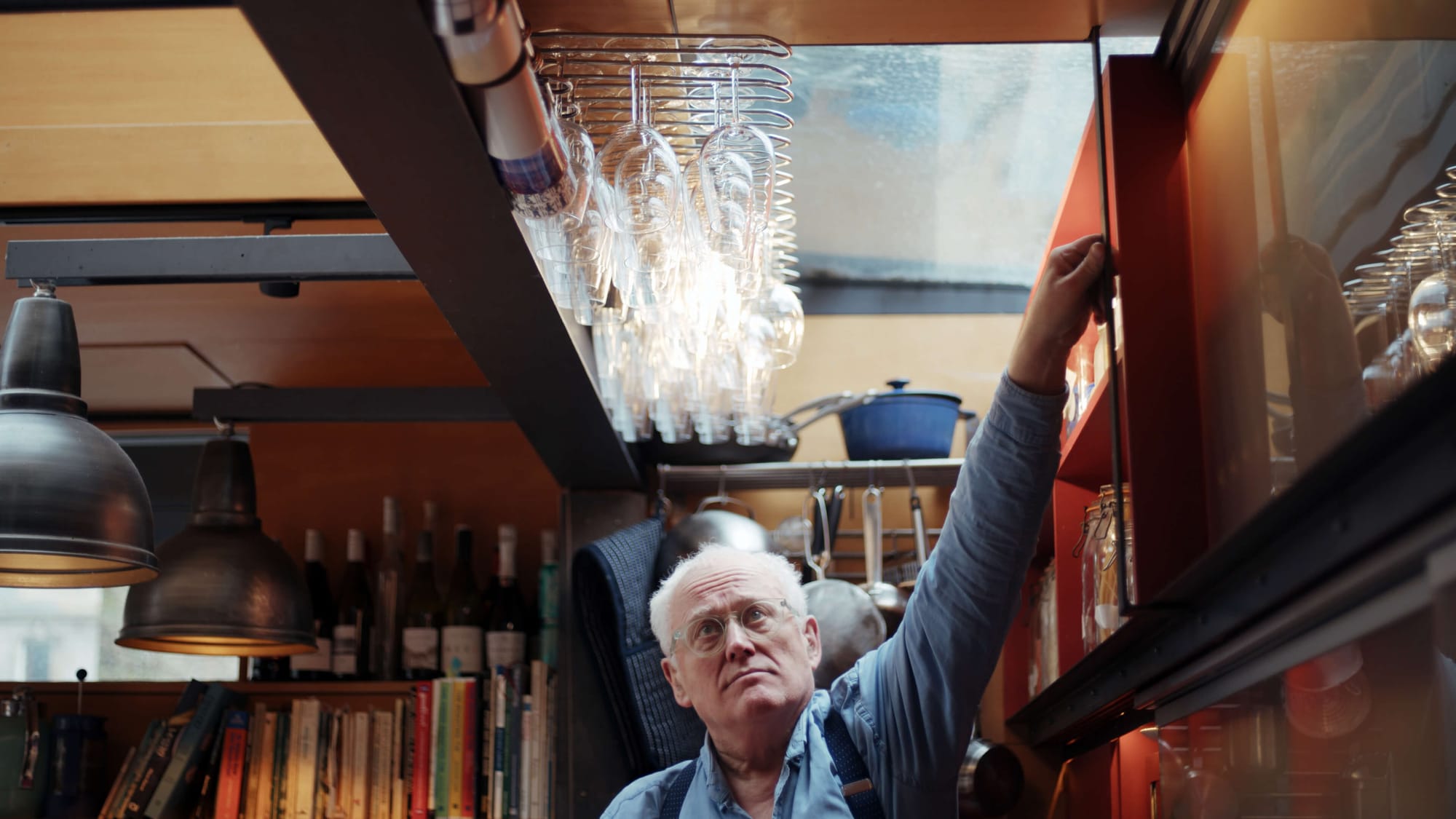
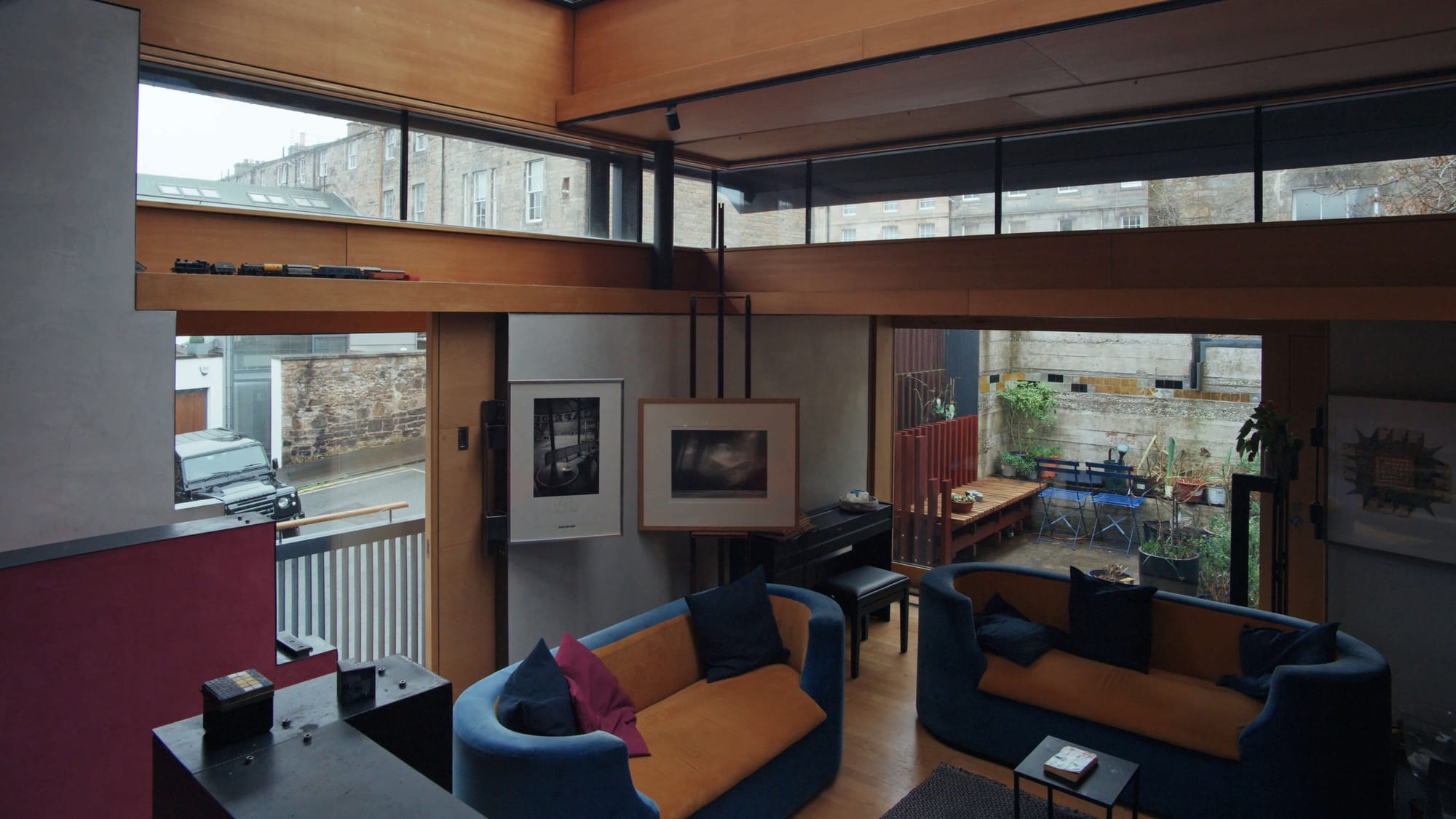
It’s four storeys high and nine levels. The house is built on a slope, which makes the section more interesting. At the top you have the main bedroom. Beneath that is the main living space — dining, living and kitchen. Then below that is the study, which leads into the hall, a spare room, a utility room and the garage. That’s all at ground floor level. Then you keep going down to a second bedroom, and finally the basement with the plant room and all that kind of stuff. So the section is quite complex.
The plan makes allusions to thick walls. If you think about Scottish castles or the American architect Louis Kahn, the apparent feeling of the walls is quite thick.
Those thick walls are inhabited. They contain things like bookcases, window recesses, seats, and kitchens.
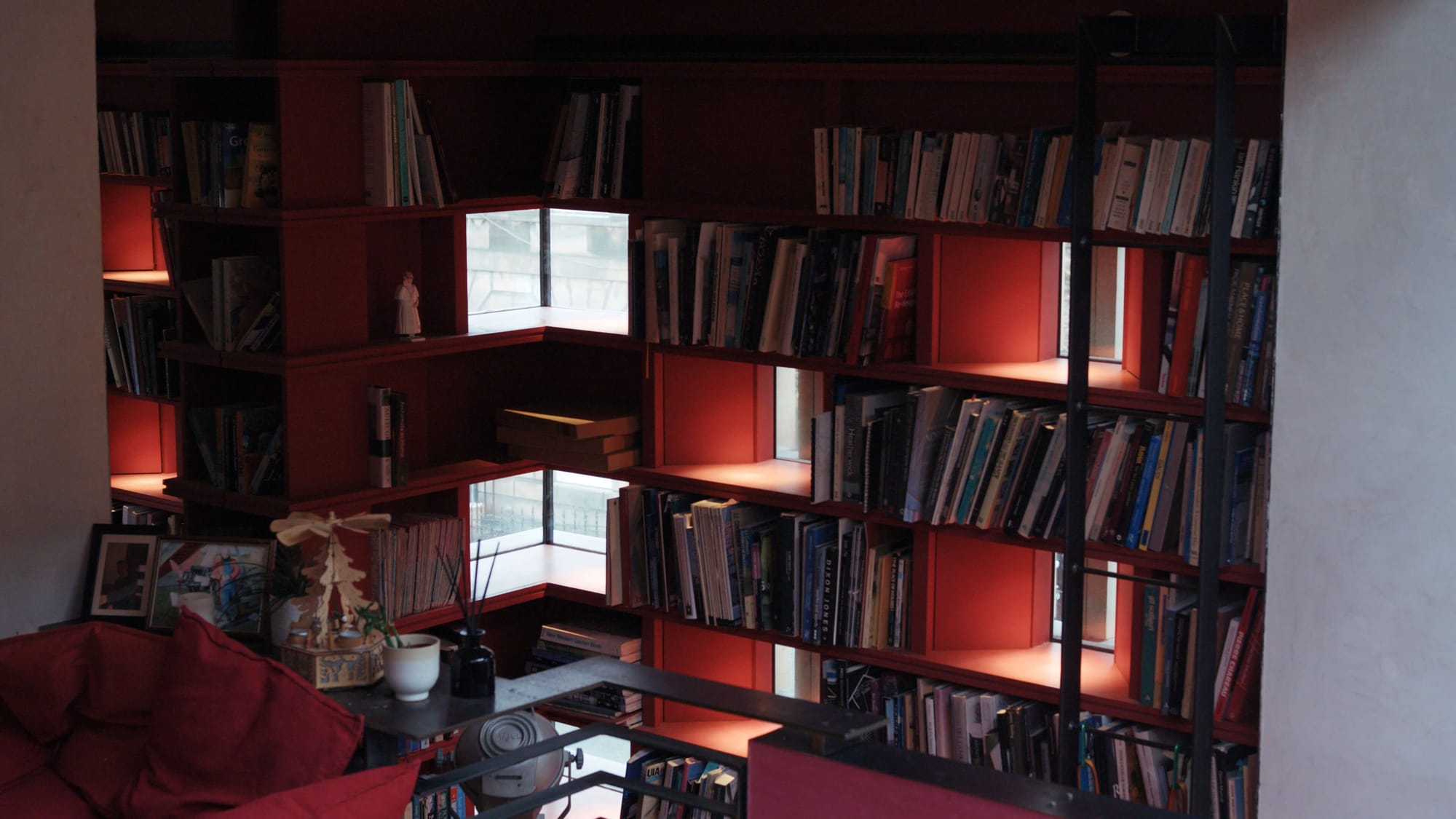
I designed a clock to be integrated into the architecture of the hall. I’ve always fancied the idea of a grandfather clock there. It’s a very traditional thing, right up to Mackintosh at the Hill House, who designed his own. The mechanism came from a wonderful Dutch clockmaker in Leith called Lucas.
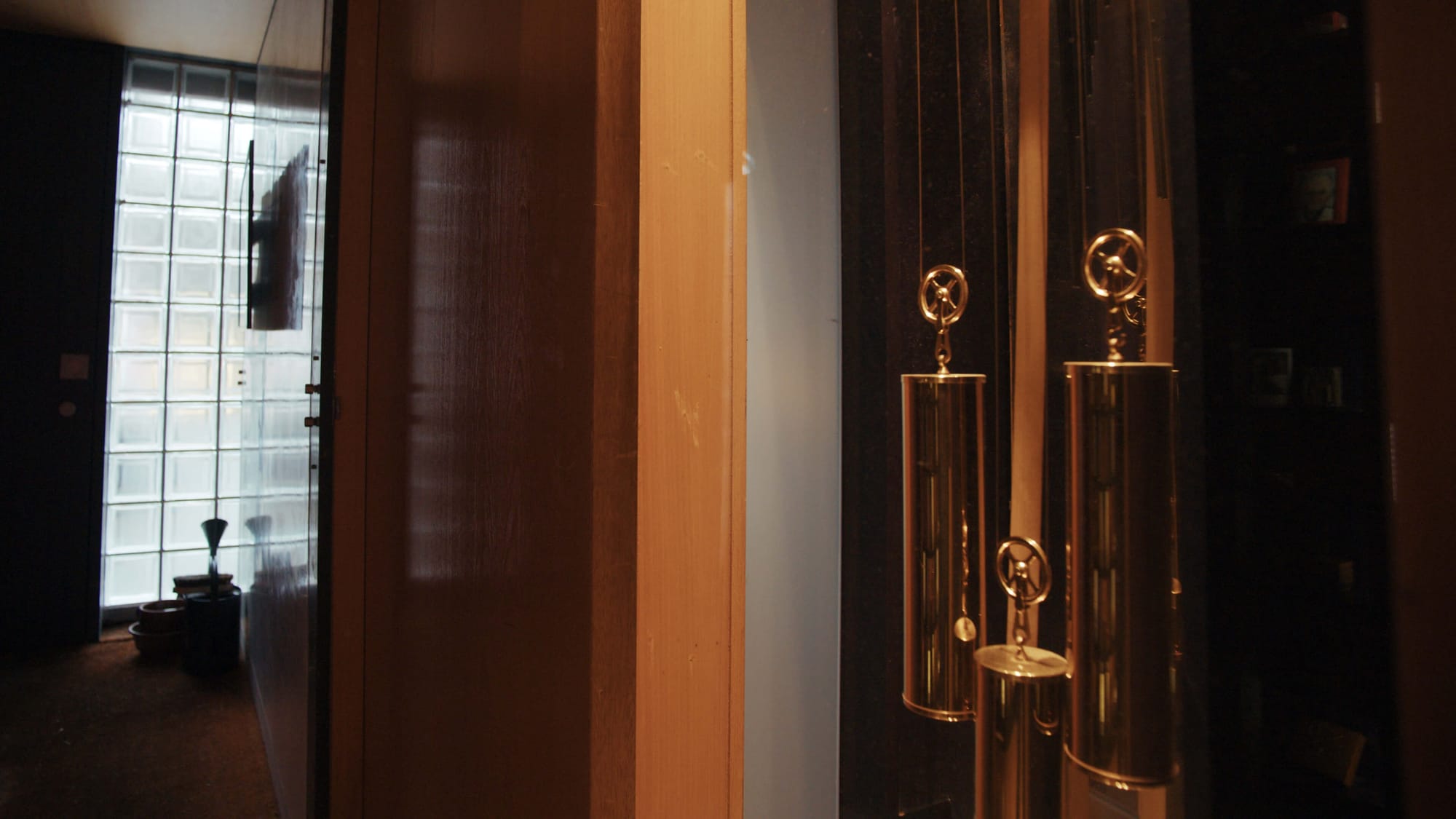
I wanted the front plate to be perspex so you could see the workings, but he couldn’t do that. So instead, I put mirrors at 45 degrees so you can look down between the two plates every time it strikes.
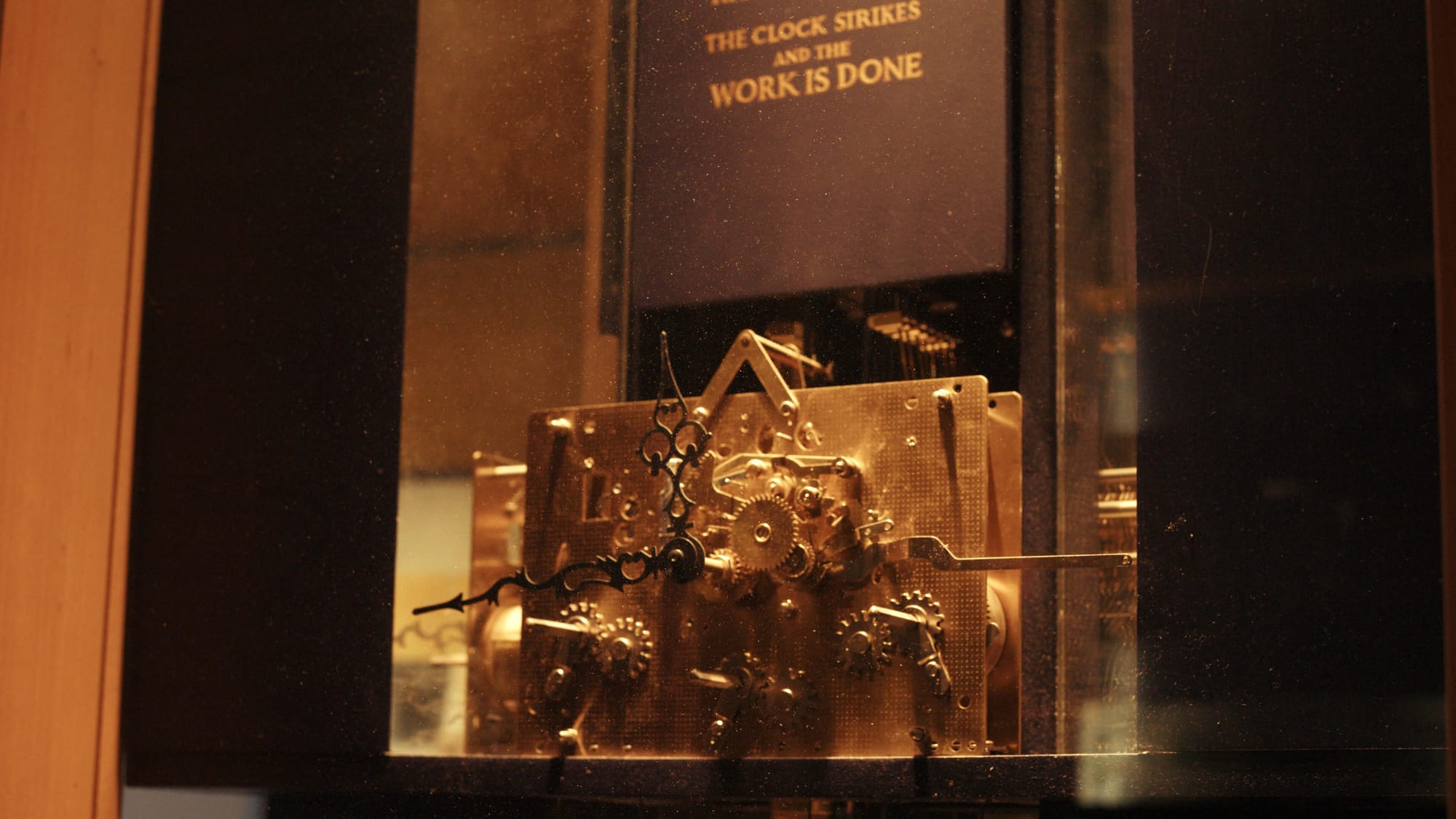
Then I came across a piece of music by Ralph Vaughan Williams about a watermill, with a poem that had a section about the clock inside the miller's house. I took those lines and had a friend — an artist and signwriter — put them up.
Spaces like that feel bigger than a modern glass box. But it’s difficult to describe a plan in words.
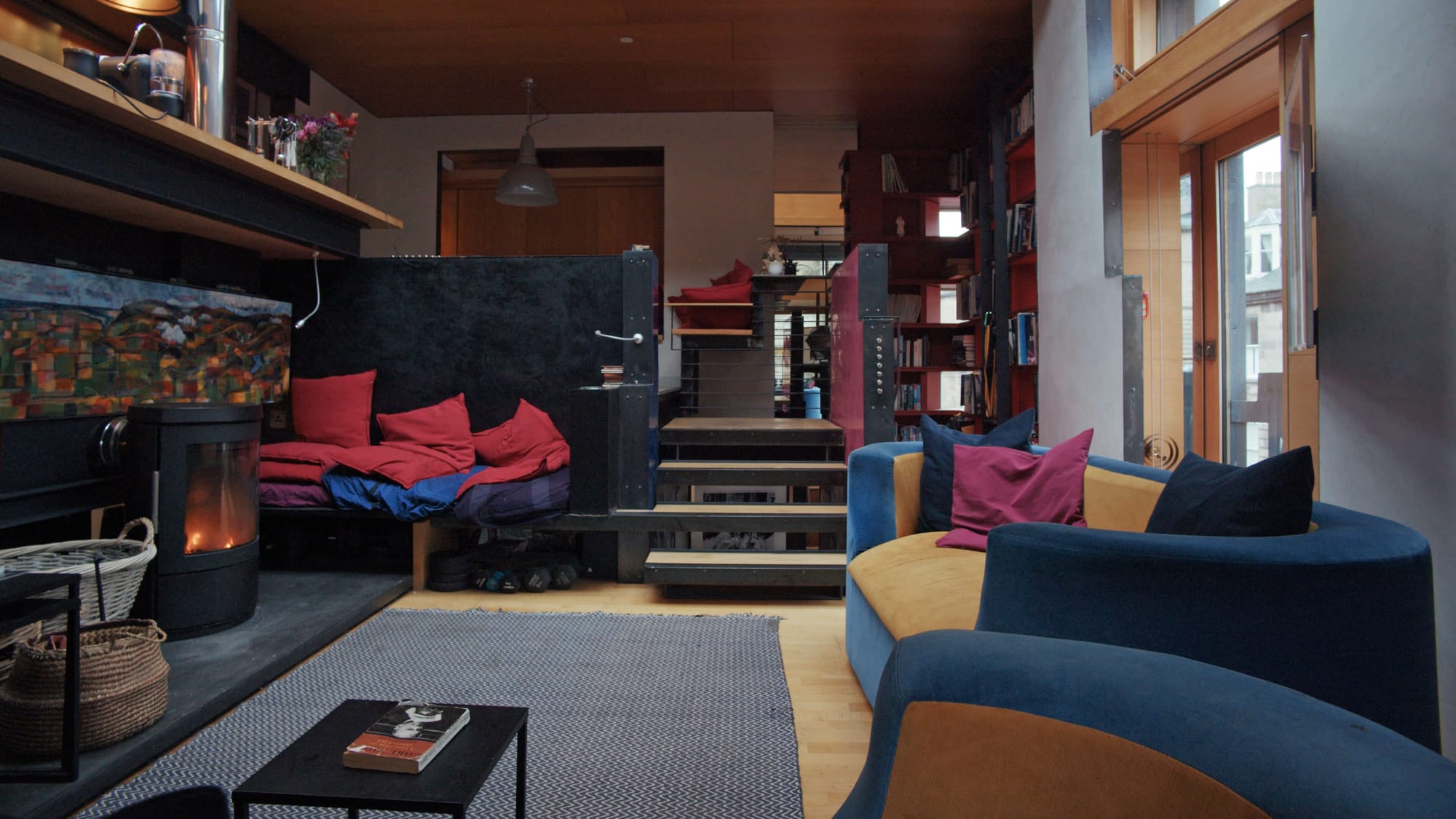
Within a very small volume, there are devices for making rooms feel bigger. For instance, in the basement bedroom, the head of the bed goes underneath the floor of the hallway. In the living room, the fireplace is tucked underneath the kitchen. So little devices like that stretch the space.
I’ve enjoyed using mirrors ever since I went to the Sir John Soane’s Museum in London. If you put repetitive things up against them at 90 degrees, your eye can’t see where reality stops and the mirror starts.
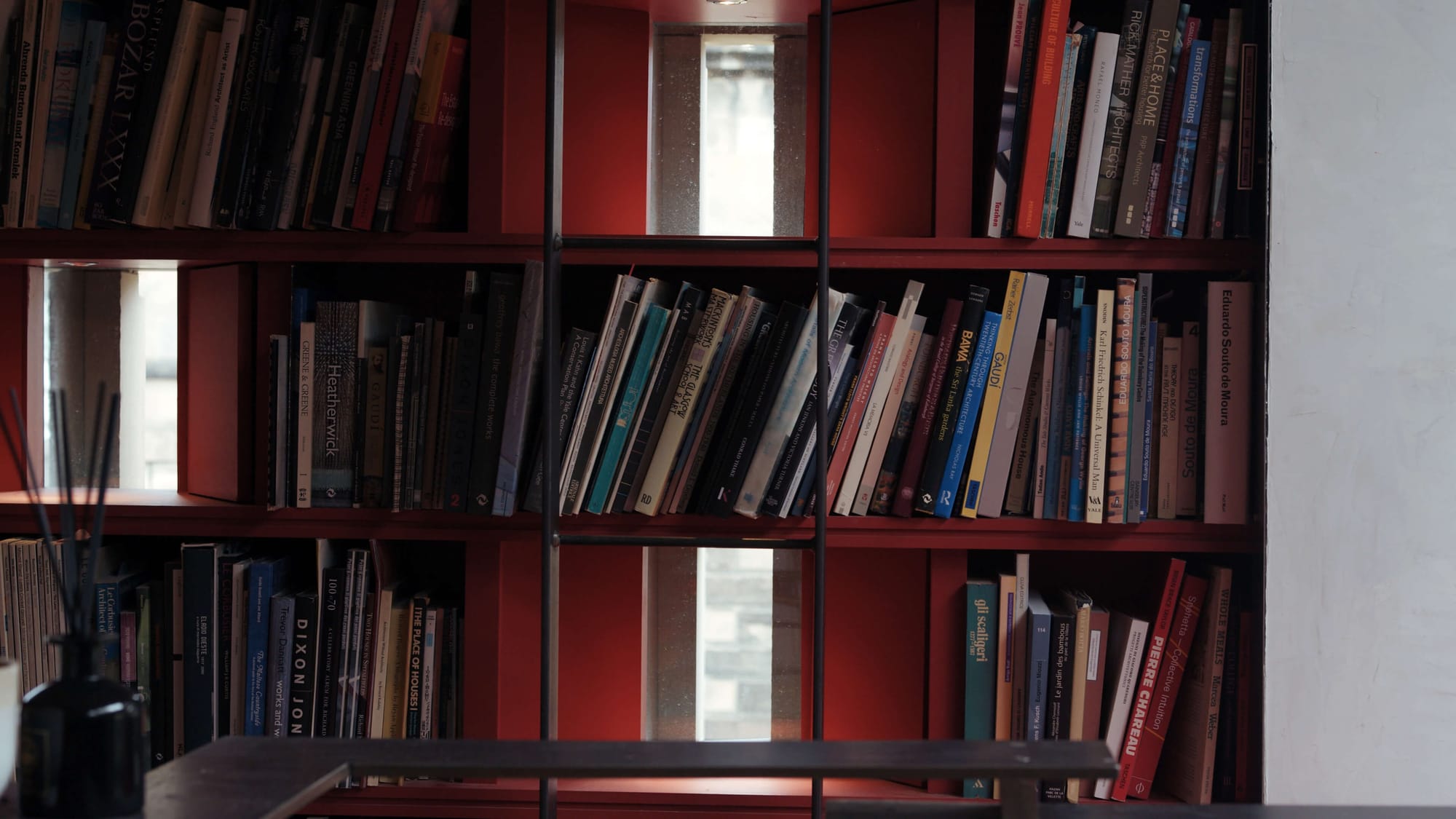
The other rule is not to see yourself until the very last minute. If you follow those two rules, mirrors create illusions rather than just reflections.
There are a lot of unusual and slightly eccentric ideas in this house. It’s a house for an eccentric architect.
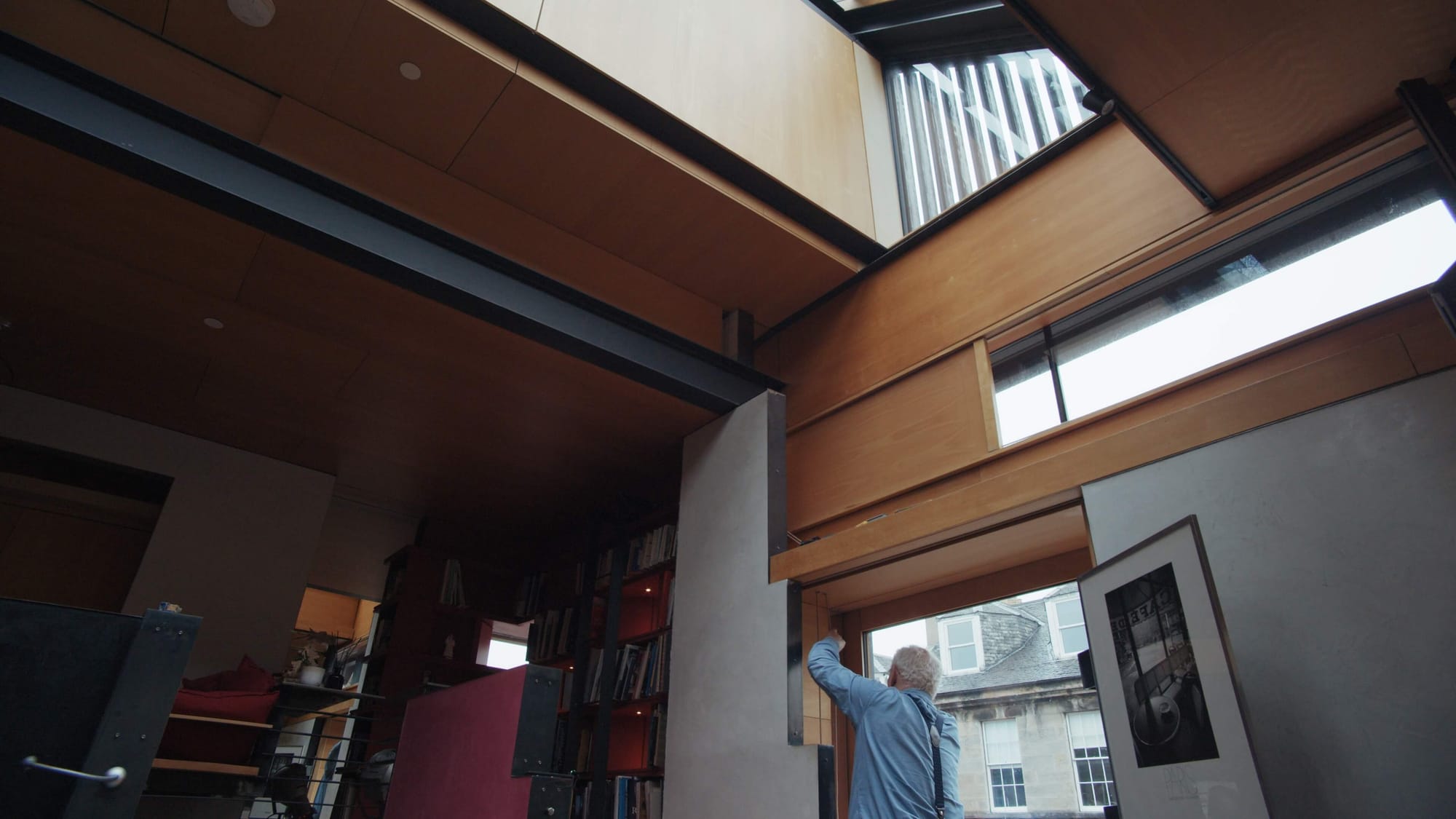
I’ve always been interested in moving parts in buildings. They change the house in a predictable way.
Aldo van Eyck said a house should be both a bird’s nest and a cave. In summer, the house opens up, and in winter it closes down.
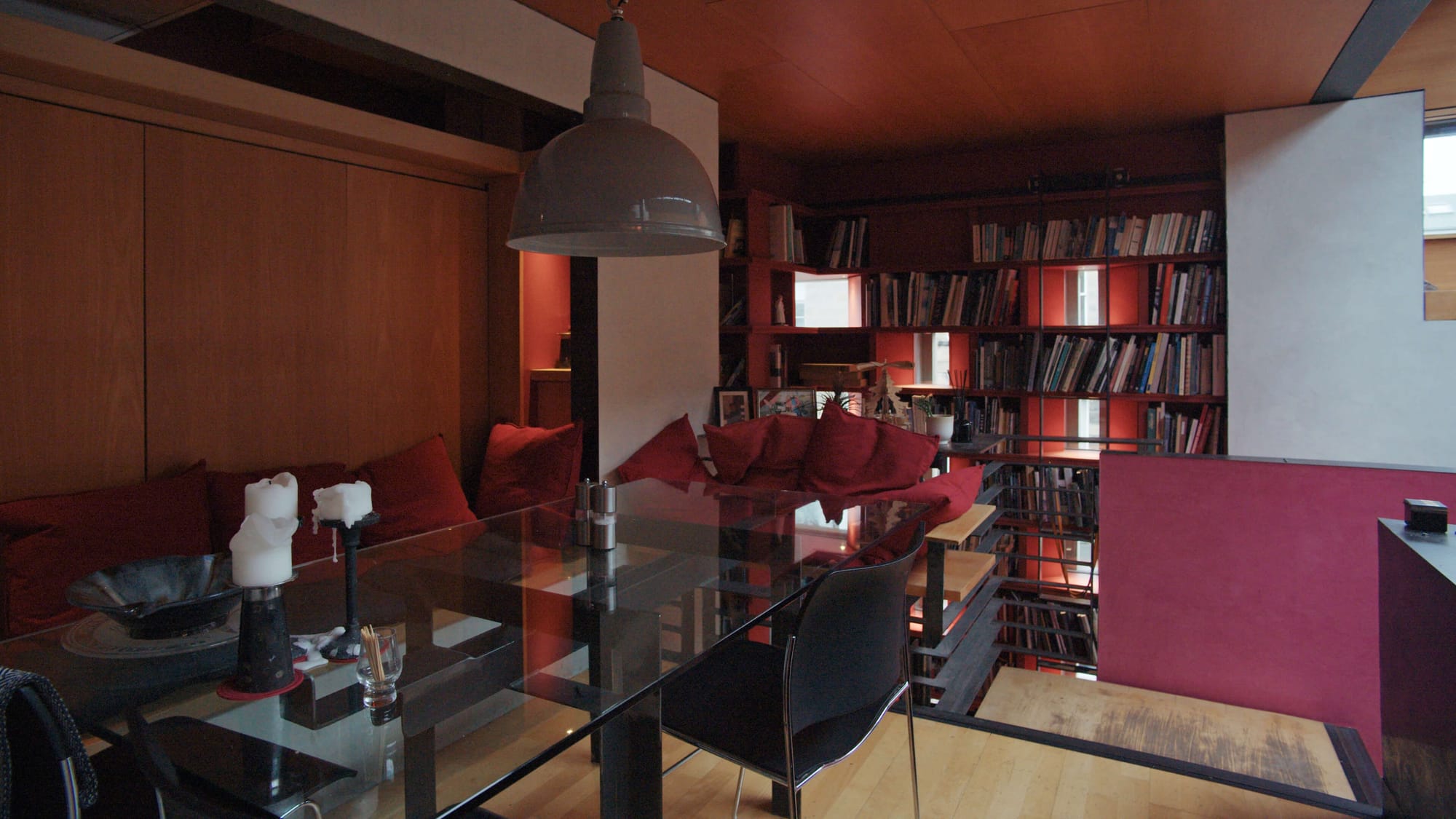
In Edinburgh, we only have about seven hours of daylight in the middle of winter. The house responds to that psychology.
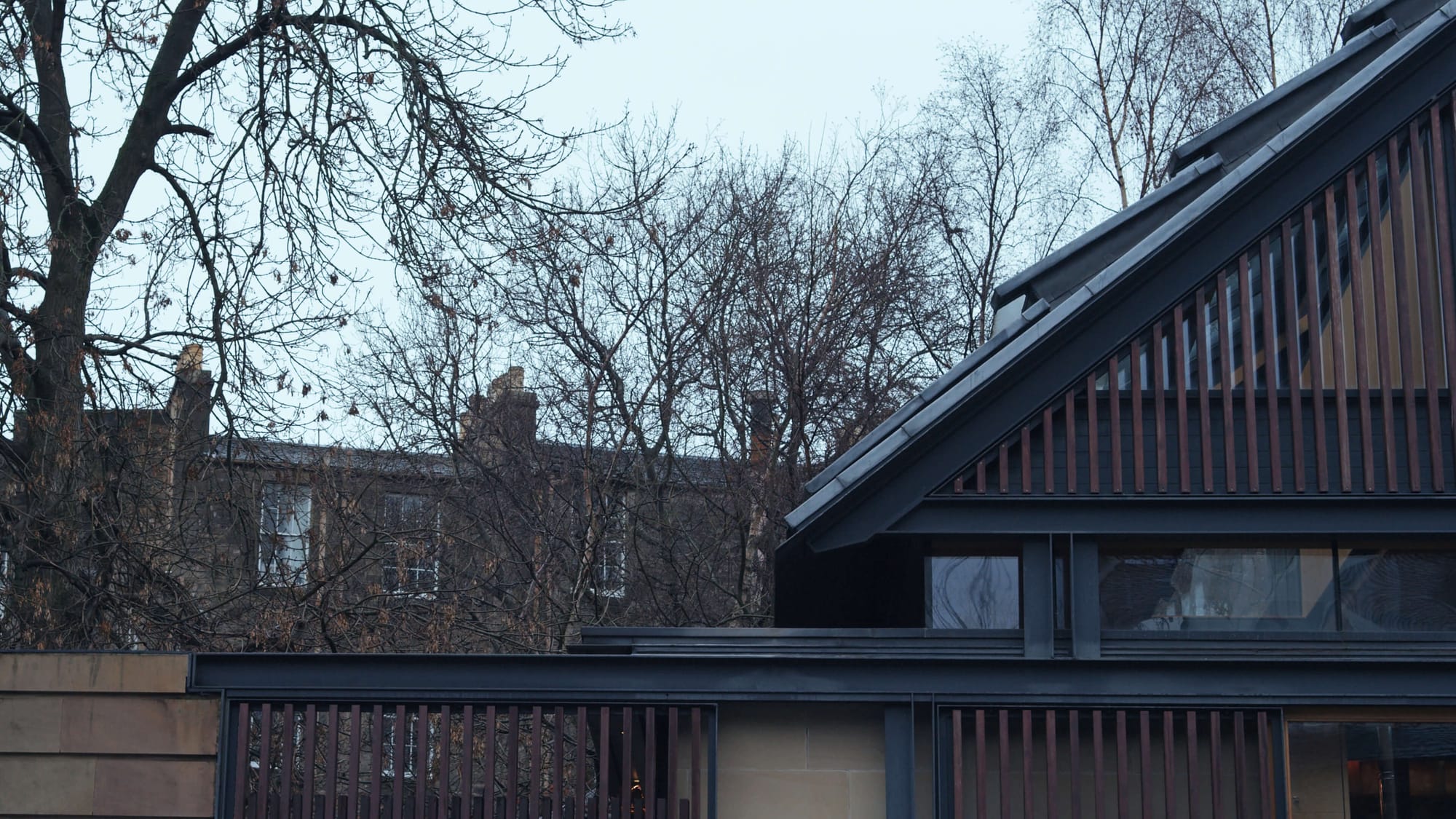
Privacy was something I thought about carefully. I didn’t want to look into my neighbours’ houses, and I didn’t want people looking straight into my living room unless I wanted them to.
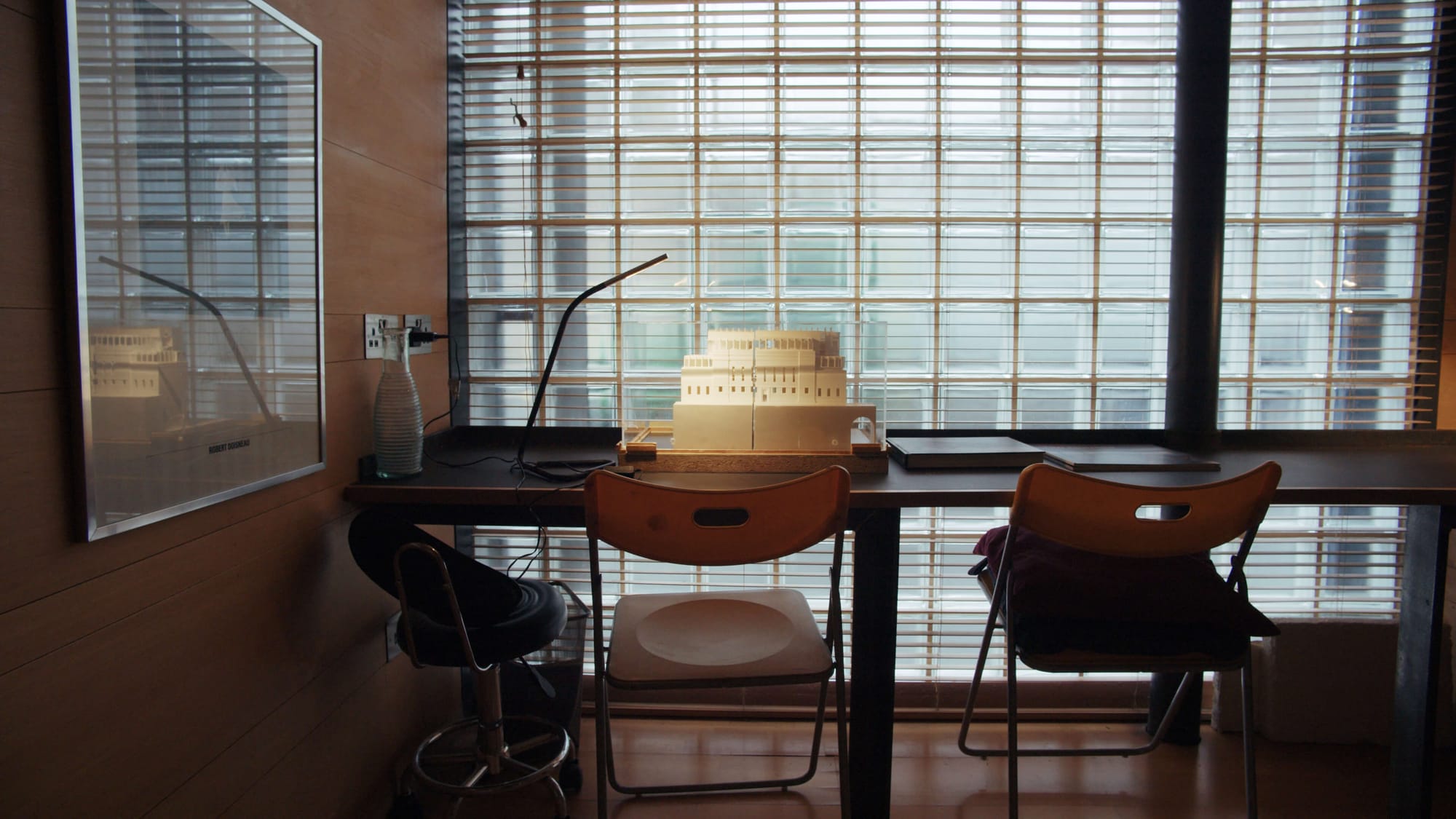
There’s a bedroom on the ground floor right next to the pavement. It has a wall of glass blocks for light, but no window.
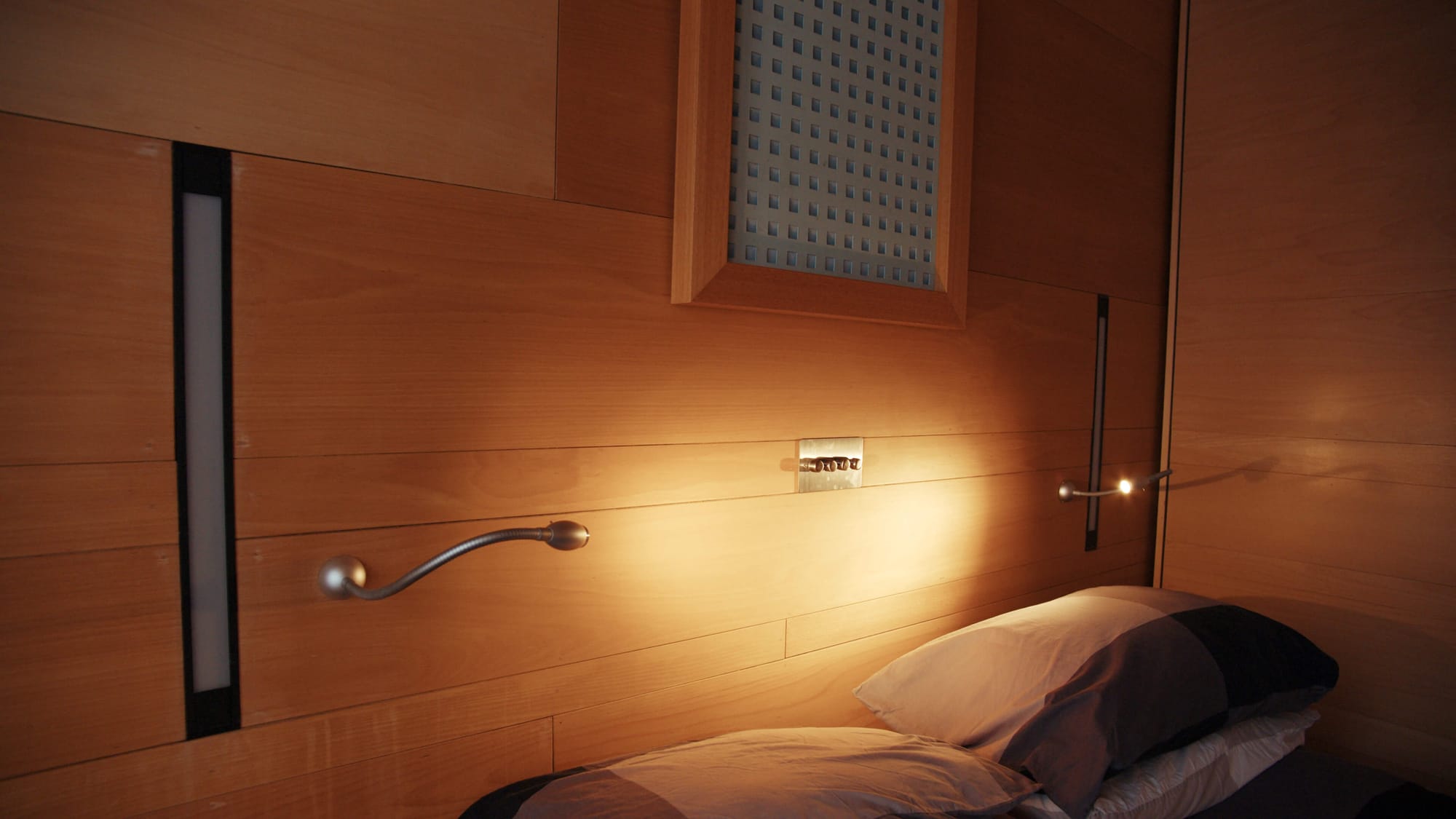
Some people would find that strange. I’ve stayed in that bedroom and it’s perfectly reasonable to me.